


Get BRCGS Issue 9 ready, fundamentals first
A customer named BRCGS in their supplier requirements. Issue 9 is built around fundamentals, the clauses so central that a single major finding against one can block your certificate, and it publishes your grade where buyers can see it. Already SQF or FSSC certified? Most of your program carries over; the work is re-mapping it to the BRCGS clause structure. Led by a GFSI-experienced lead auditor.
Issue 9 is a clause structure, not a checklist
BRCGS certifies a working food safety management system against a detailed clause set. These are four pillars an auditor checks, several of them fundamental, and the four Beacon keeps dated and filed against the clause they answer.
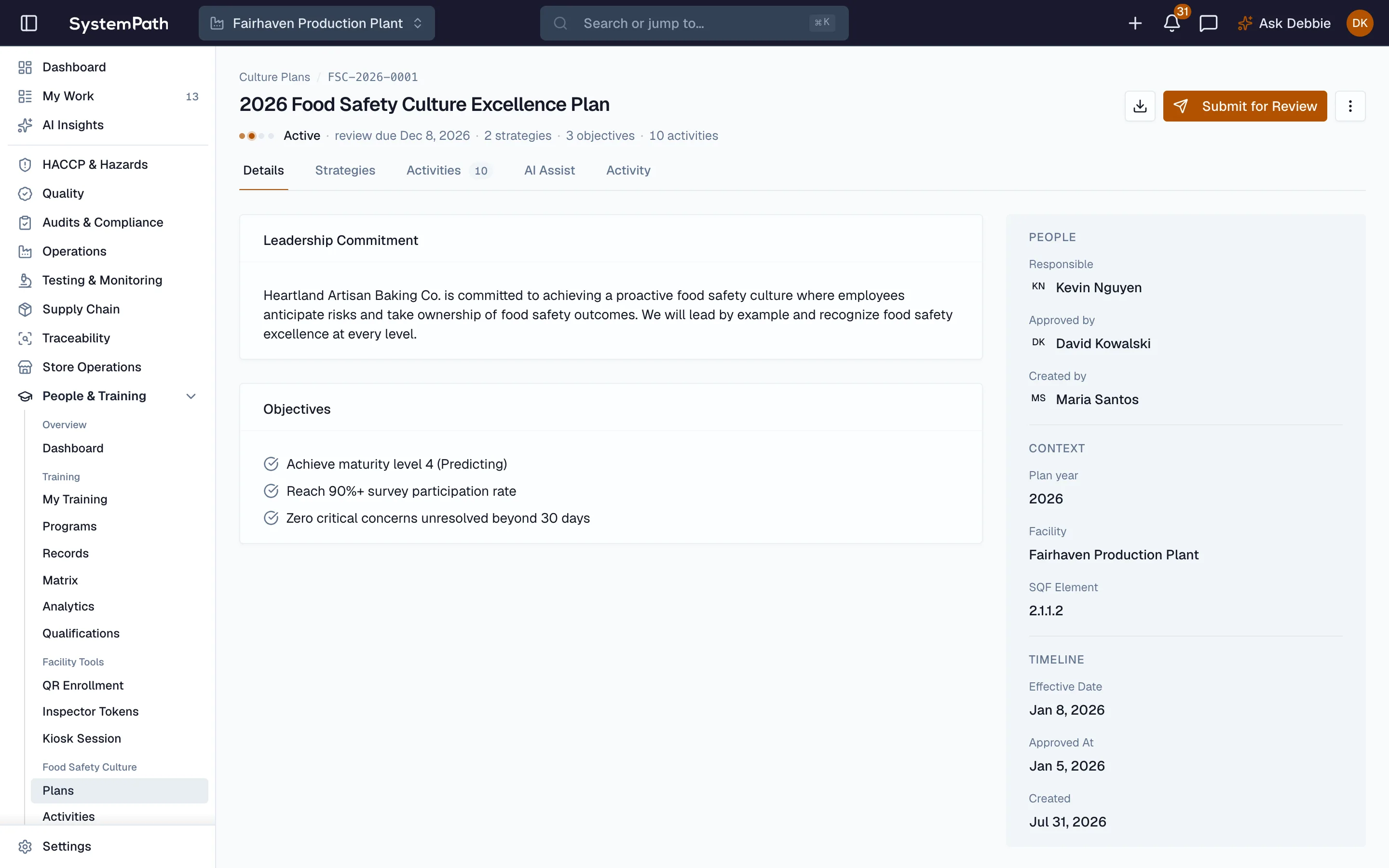
BRCGS opens with leadership. The standard expects documented commitment, resources, a food safety culture plan, and management review with evidence that leadership acts on what the system surfaces. This is a fundamental clause, and Issue 9 reads it closely.
Explore Senior Management Commitment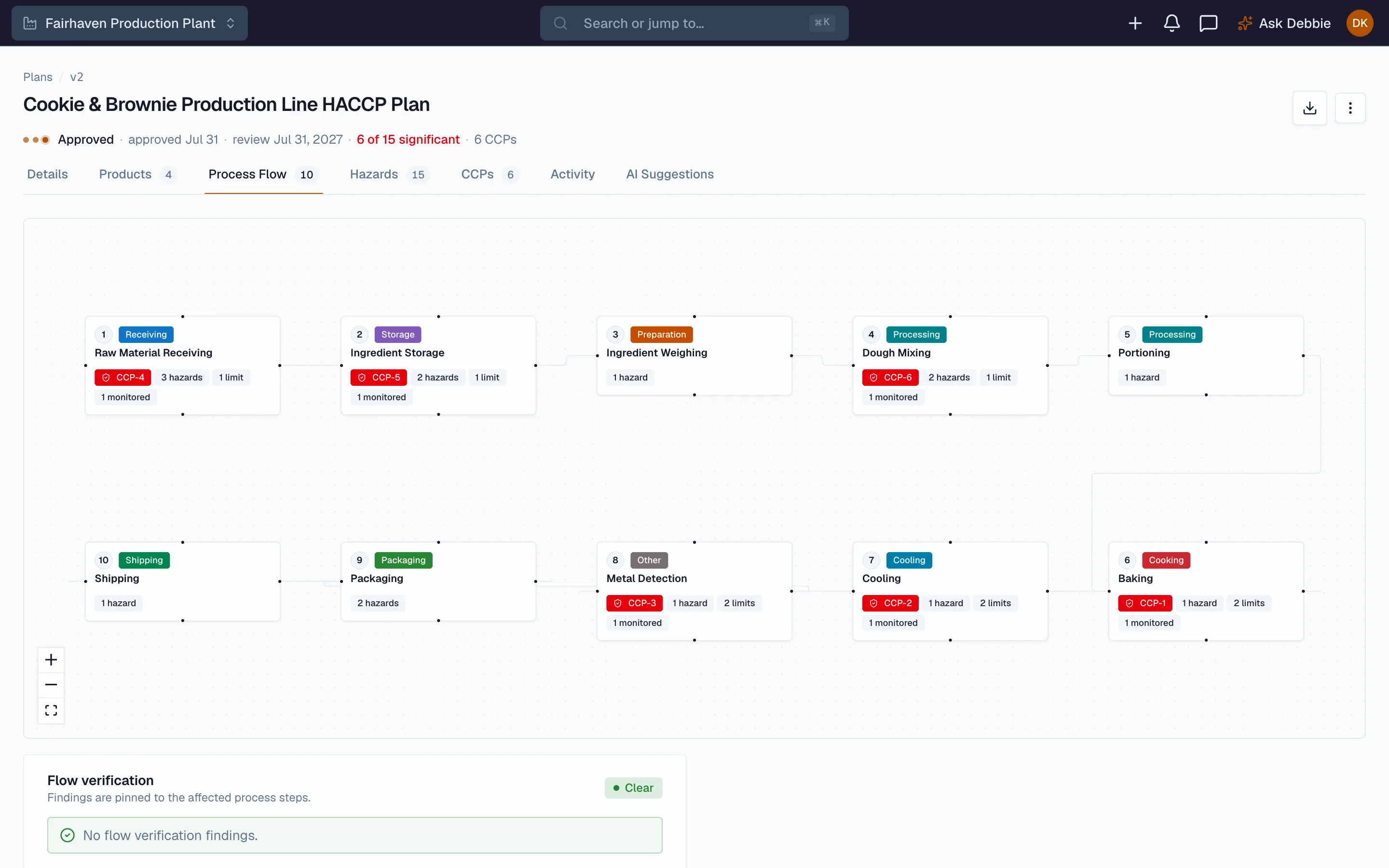
A documented hazard analysis built on Codex principles, validated control points, and monitoring that proves each one is in control. The HACCP plan is a fundamental requirement, so a major non-conformity here blocks the certificate regardless of your overall grade.
Explore HACCP and the Food Safety Plan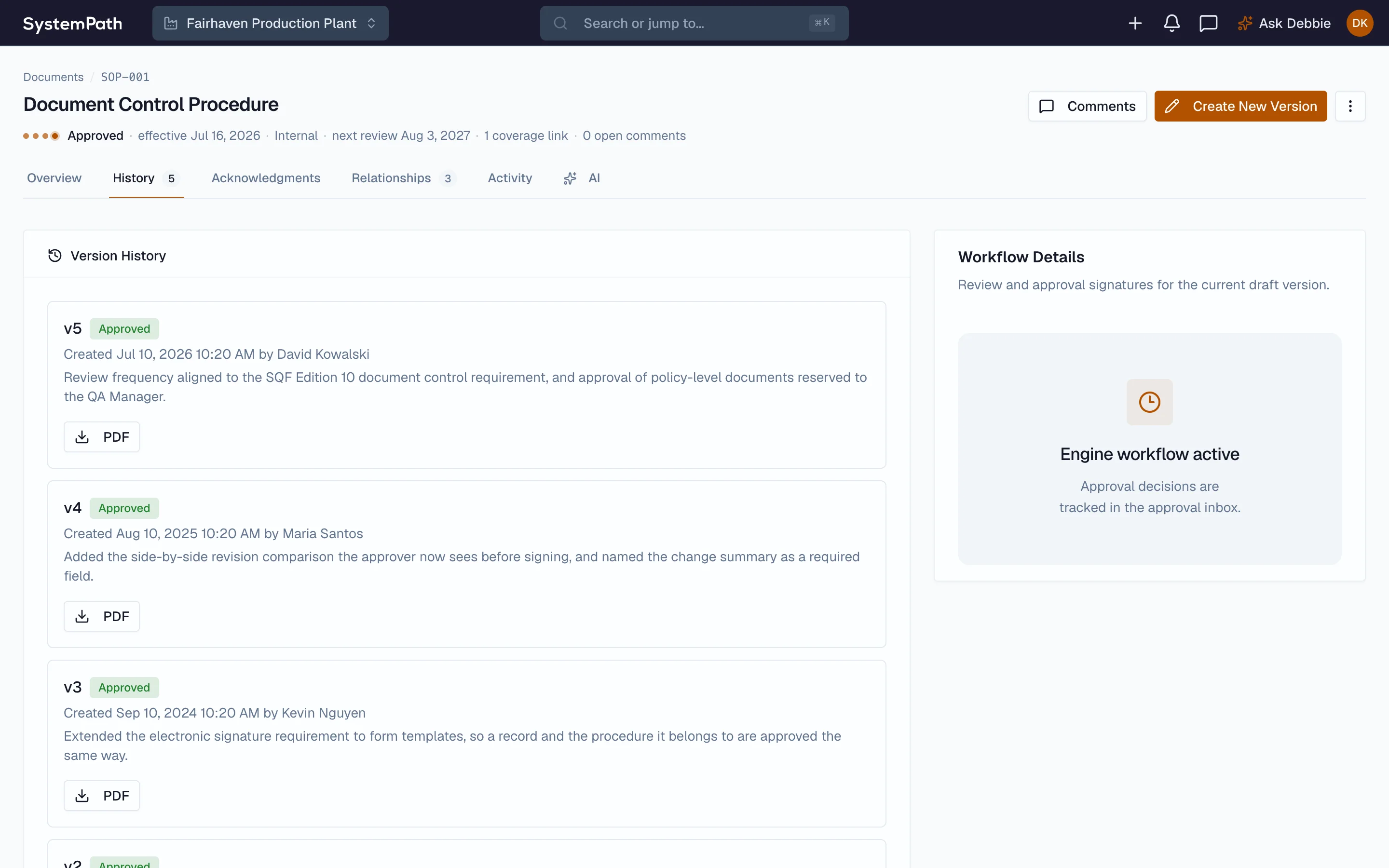
Site standards, product control, process control, and the personnel and prerequisite programs that BRCGS expects to be documented, current, and controlled. The standard wants version history that shows what governed any process on any given day, not a stack of undated SOPs.
Explore Prerequisites and Document Control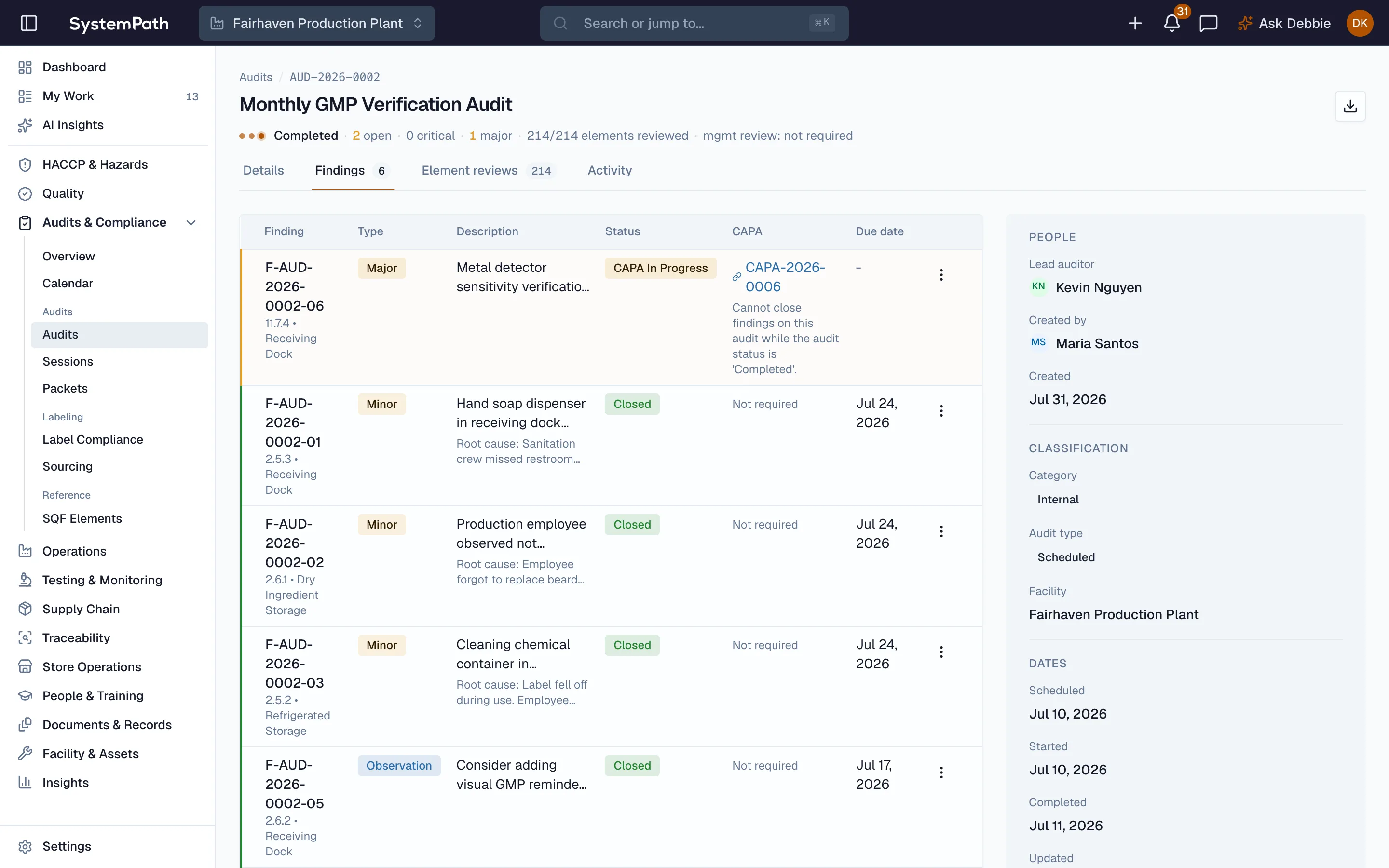
Three more fundamentals. A scheduled internal audit program, a corrective and preventive action process with root cause, and a traceability exercise that runs forward and back within the window the standard sets. BRCGS judges the closed loop, not just the finding.
Explore Internal Audit, CAPA, TraceabilityFrom gap assessment to certificate
Most first-time facilities reach a certified grade in 6 to 9 months. Facilities already certified to SQF or FSSC move faster, since most of the program already exists and the work is re-mapping to the BRCGS clauses. Either way, every record we build lives inside Beacon, dated and filed against the clause it answers.
Start with a gap assessmentGap assessment
1-2 weeksWalk the site against the Issue 9 clauses, flag the fundamentals at risk, and produce a corrective action list with owners. The honest starting point.
Build the program
3-6 monthsThe biggest piece. HACCP plan, prerequisite programs, SOPs, and the management commitment records, built straight into the platform against the BRCGS structure.
Implement and train
1-3 monthsRun the program on the floor, train the team, and collect enough operating history to show the system runs, including a full traceability exercise.
Choose a certification body
1-2 weeksSelect a BRCGS-licensed certification body and decide announced or unannounced. The CB is independent. We can recommend, the choice is yours.
Certification audit
1-3 daysA 1 to 3 day on-site audit: document review, facility inspection, and staff interviews, with non-conformities raised by type and severity.
Grade and maintain
ongoingClose the non-conformities, earn the grade, then keep the program audit-ready year-round, so an unannounced auditor finds the same clean system you certified on.
Your grade is a number your buyers can see.
BRCGS grades the audit on the count and type of non-conformities, and publishes the result in its directory. Where you land depends on how cleanly the program runs.
Top grades
The result buyers like to see
Grades AA and A reflect few or only minor non-conformities. They signal a program that runs clean day to day, which is exactly what a readiness engagement aims for.
Certified, with work
A passing grade with majors
Grades in the middle band still certify, but they carry majors that must be closed and reflect gaps a buyer can read in the directory. The goal is to move up, not just to pass.
No certificate
When a fundamental fails
A single critical non-conformity, or a major against a fundamental clause, can mean no certificate that cycle. This is why readiness work spends extra time on the fundamentals before the auditor arrives.
Where you would grade today depends on how the fundamentals actually run, not how they read on paper. Tell us where your program stands and we will read it back to you.
Our BRCGS work is led by a former SQF Lead Auditor who reads the GFSI standards from the auditor's chair and knows which fundamental clauses decide a grade. Meet Jeff.
Your BRCGS program lives in Beacon. Ready for the clause the auditor opens to.
Everything we build during readiness stays inside Beacon: organized, version-controlled, and open to your whole team. When the audit arrives, the evidence against each clause is already filed. See how the audits module works.
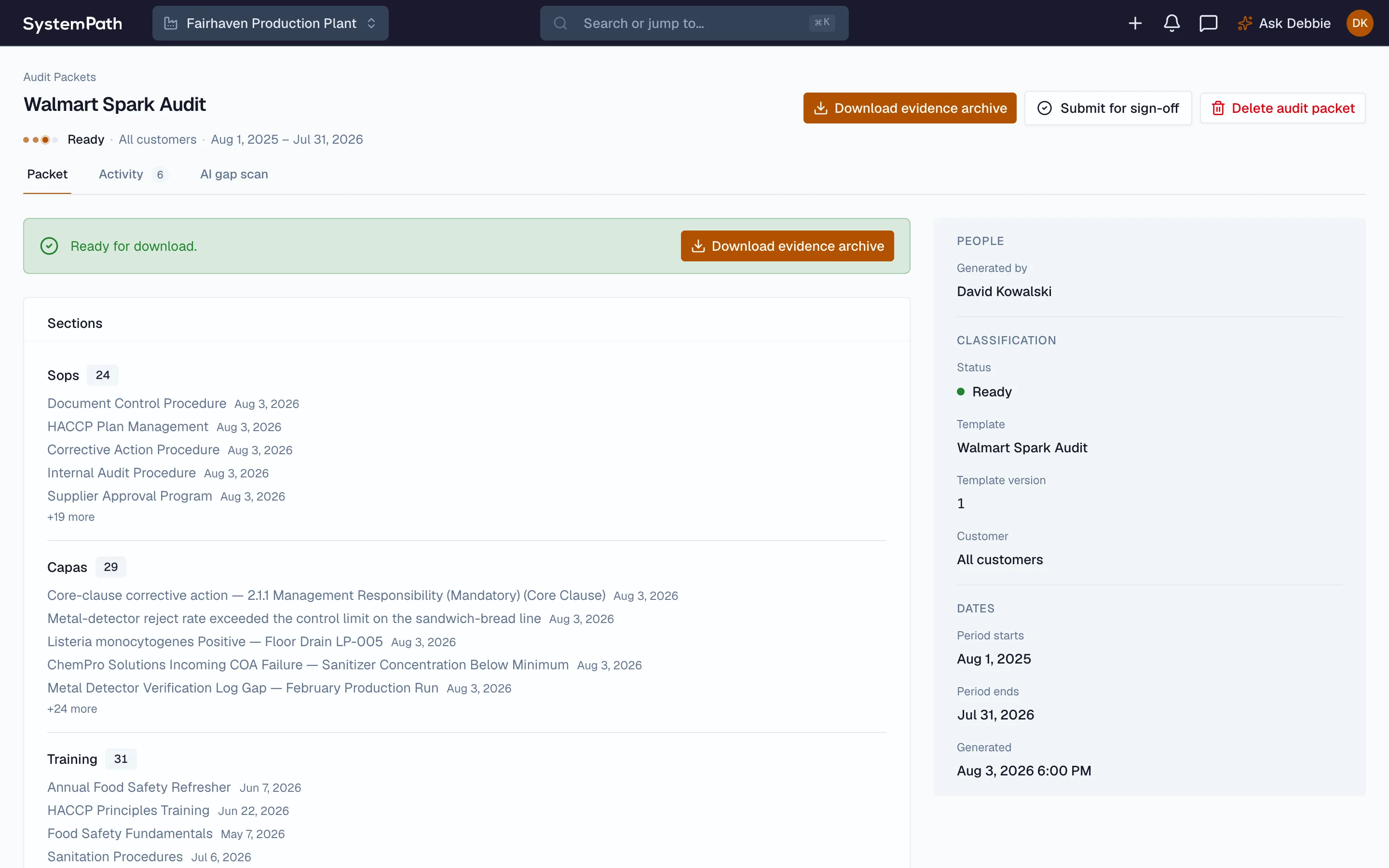
You can get BRCGS-ready with any consultant. The difference shows the day an auditor asks for evidence against a clause, and it is either already filed or scrambled for. See why teams build it with us.
Get BRCGS Issue 9 ready with a team that reads the clauses for a living
Bring your customer's BRCGS requirement. In 20 minutes you'll know which fundamentals already hold up and which need work before you book an audit date.
Prefer the phone? (313) 484-4887
What happens next
Discovery call
About your facility and goals. Not a sales pitch.
See it in action
A live walkthrough of Beacon scoped to your operation.
Custom proposal
Software, consulting, and training sized to your facility.
You'll talk with a food safety expert, not a sales rep.
20 minutes · No commitment · No pressure
Tell us about your facility
Send the basics and we come to the call already knowing which scheme you run today, which customer named BRCGS, and roughly where the fundamentals stand.
BRCGS Issue 9 questions, answered
Common questions from manufacturers certifying to the BRCGS standard.